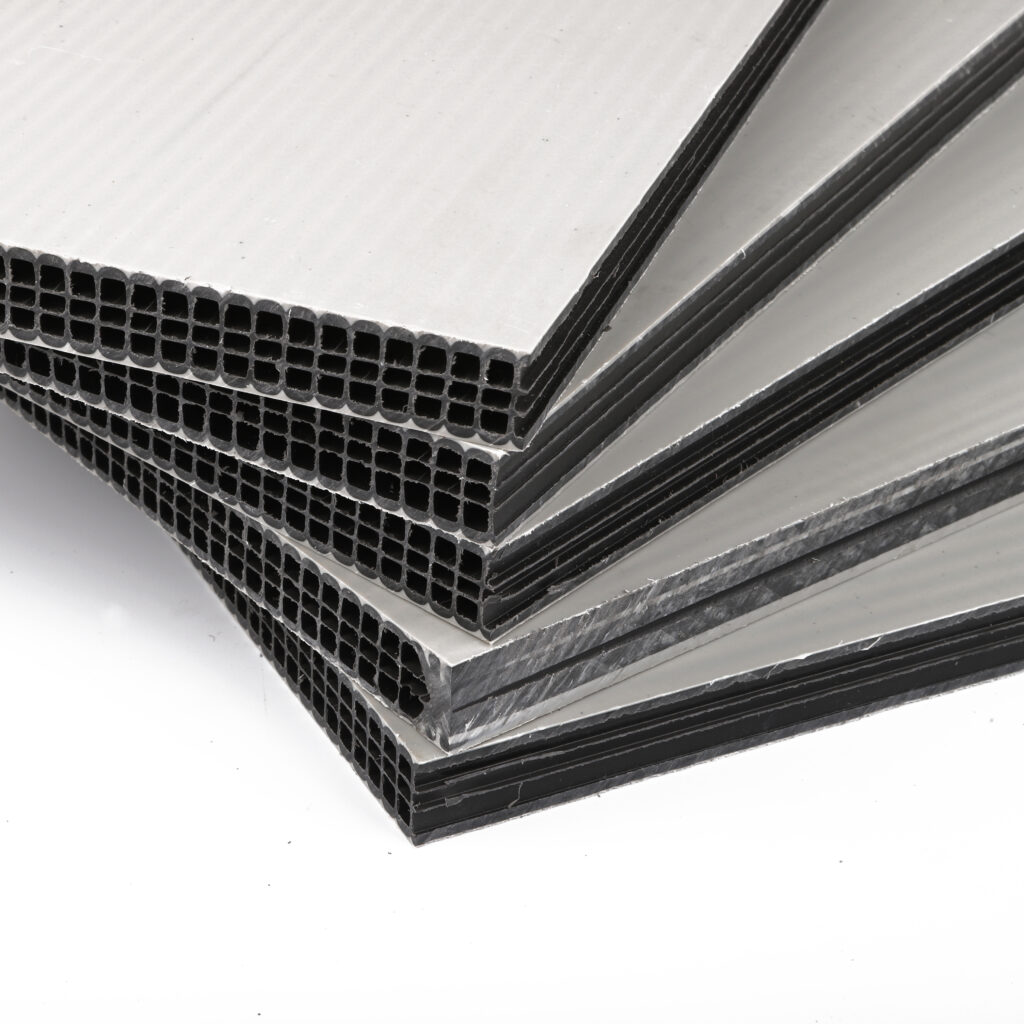

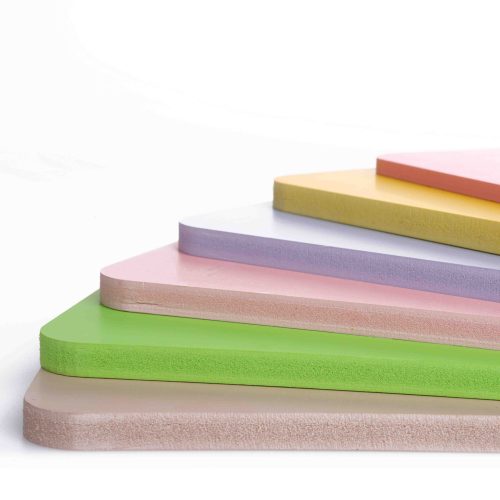


Description
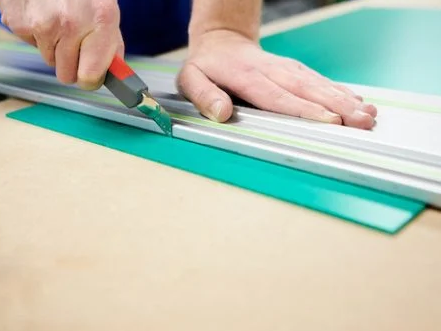
Cutting
Perfect for DIY projects, thin PVC foam board is exceptionally easy to work with using basic hand tools. Its lightweight and uniform structure allows for clean, precise cuts with simple equipment like utility knives, handsaws, and manual files. This makes it an ideal, user-friendly material for crafters, model makers, and hobbyists.
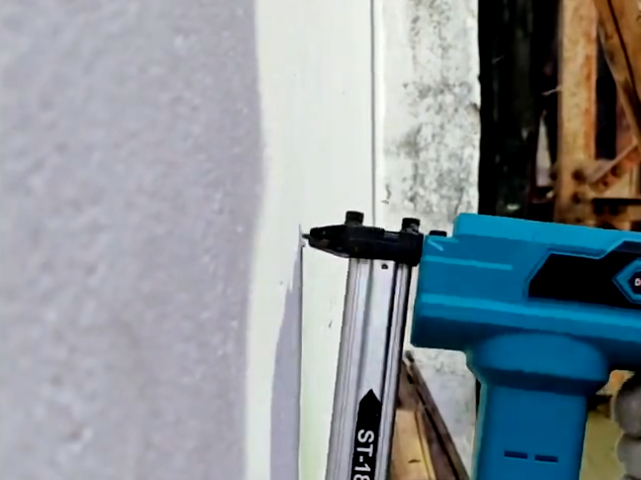
Nailing
Nailing provides a strong, economical mechanical fastening solution for assembling PVC foam boards. This simple process uses nails or screws to securely join panels, offering high structural reliability and load-bearing capacity without the need for adhesives or specialized tools. It is especially suitable for constructing durable temporary structures, partition walls, exhibition booths, and basic furniture, delivering a fast and cost-effective assembly method.
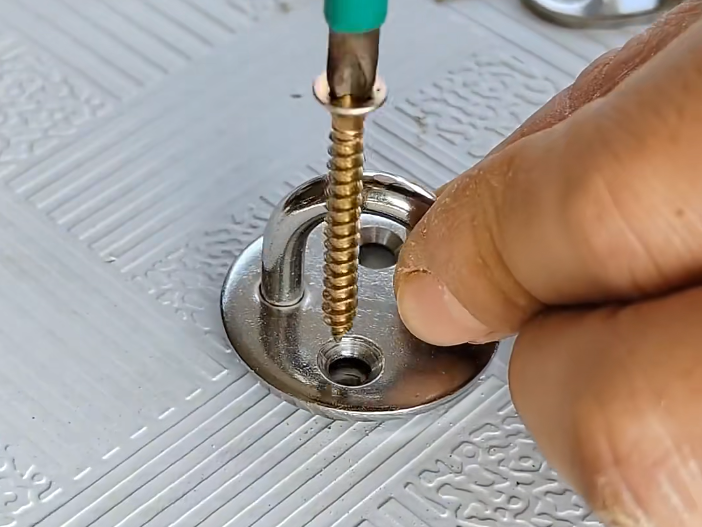
Screwing
Screw fastening for PVC foam board provides a sturdy and adjustable assembly solution. Using self-tapping screws with pre-drilling prevents material splitting and ensures reliable connections. Washers are recommended to distribute pressure and avoid surface indentation, making this method ideal for displays, furniture, outdoor signage, and other applications that require load-bearing capacity or repeated adjustments—combining installation flexibility with long-term structural stability.
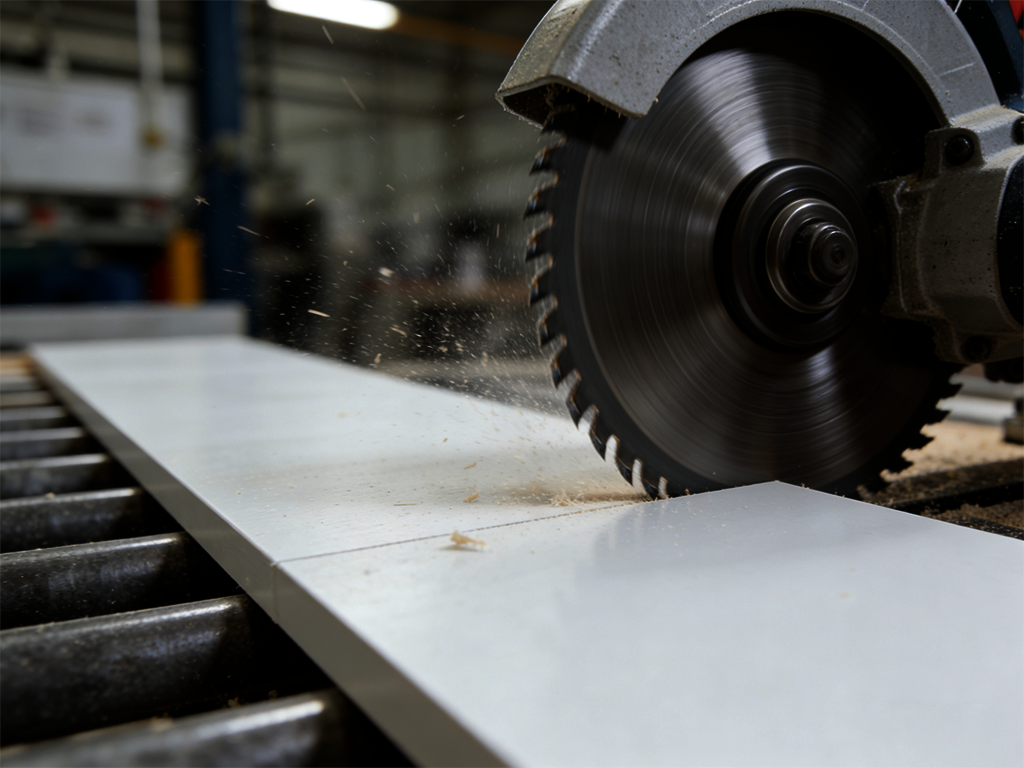
Sawing
Saw cutting offers a fast and precise solution for straight-line or large-format cutting of PVC foam boards. Utilizing a high-speed rotating blade, this process efficiently handles panel sizing, grooving, and trimming, producing clean cuts with sharp edges that typically require minimal post-processing. It is particularly suitable for batch production and large-scale sizing, making it a cost-effective and efficient shaping choice for applications such as architectural partitions, signage substrates, and exhibition stands.
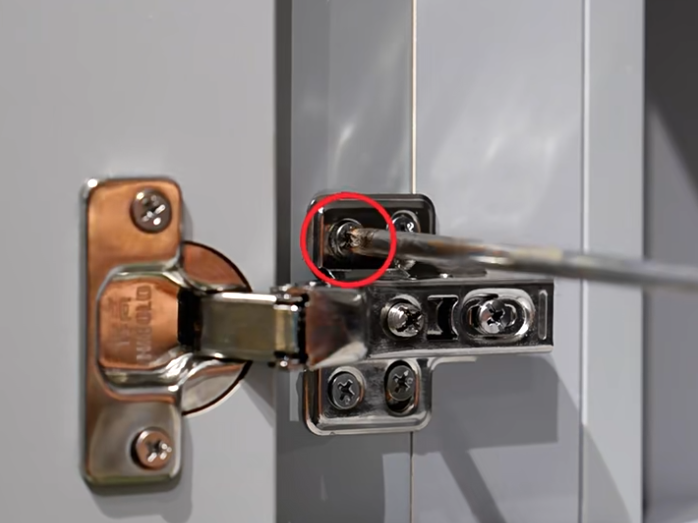
Hinging
Installing hinges on PVC foam board creates durable and functional movable connections. Using embedded installation with reinforced screws and adhesive ensures a flush, stable pivot point ideal for boxes, cabinets, displays, and prototypes. This method combines clean aesthetics with reliable performance for long-term use.
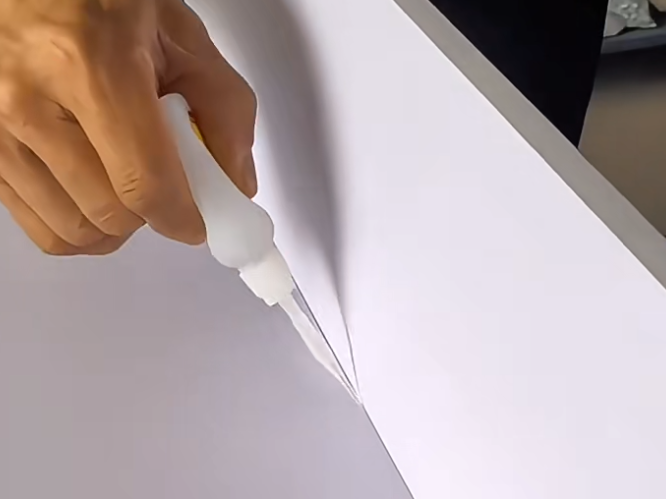
Glueing
PVC foam board offers simple and strong bonding solutions for seamless assembly. Using specialized PVC cement, all-purpose adhesive, or epoxy resin, it enables quick, high-strength bonding with neat and durable seams. The surface is easy to prepare, allowing for seamless splicing, making it widely used in signage, display cases, models, and decorative projects—combining efficiency with long-lasting performance.
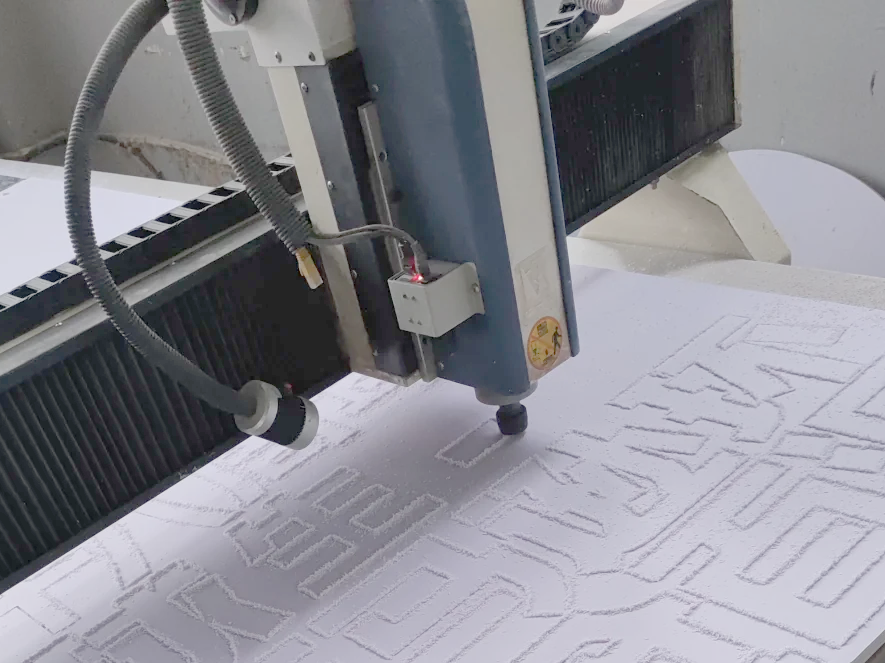
Engraving
PVC foam board offers simple and strong bonding solutions for seamless assembly. Using specialized PVC cement, all-purpose adhesive, or epoxy resin, it enables quick, high-strength bonding with neat and durable seams. The surface is easy to prepare, allowing for seamless splicing, making it widely used in signage, display cases, models, and decorative projects—combining efficiency with long-lasting performance.
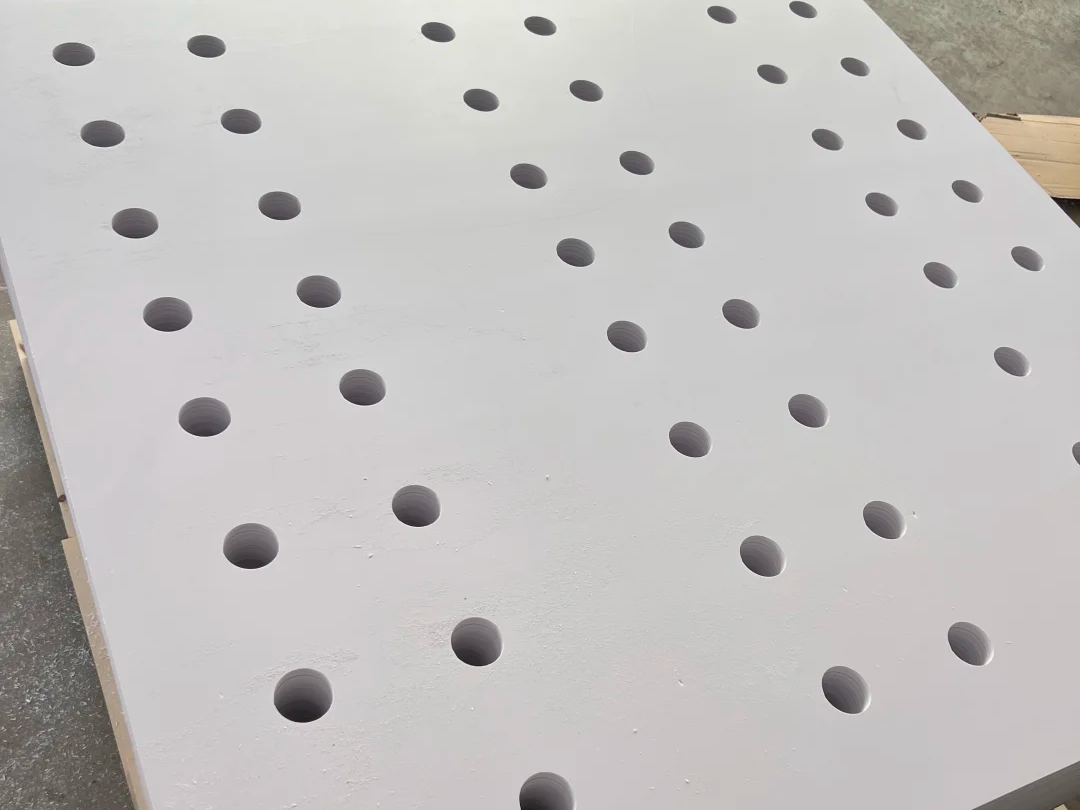
Driling
PVC foam board offers simple and strong bonding solutions for seamless assembly. Using specialized PVC cement, all-purpose adhesive, or epoxy resin, it enables quick, high-strength bonding with neat and durable seams. The surface is easy to prepare, allowing for seamless splicing, making it widely used in signage, display cases, models, and decorative projects—combining efficiency with long-lasting performance.
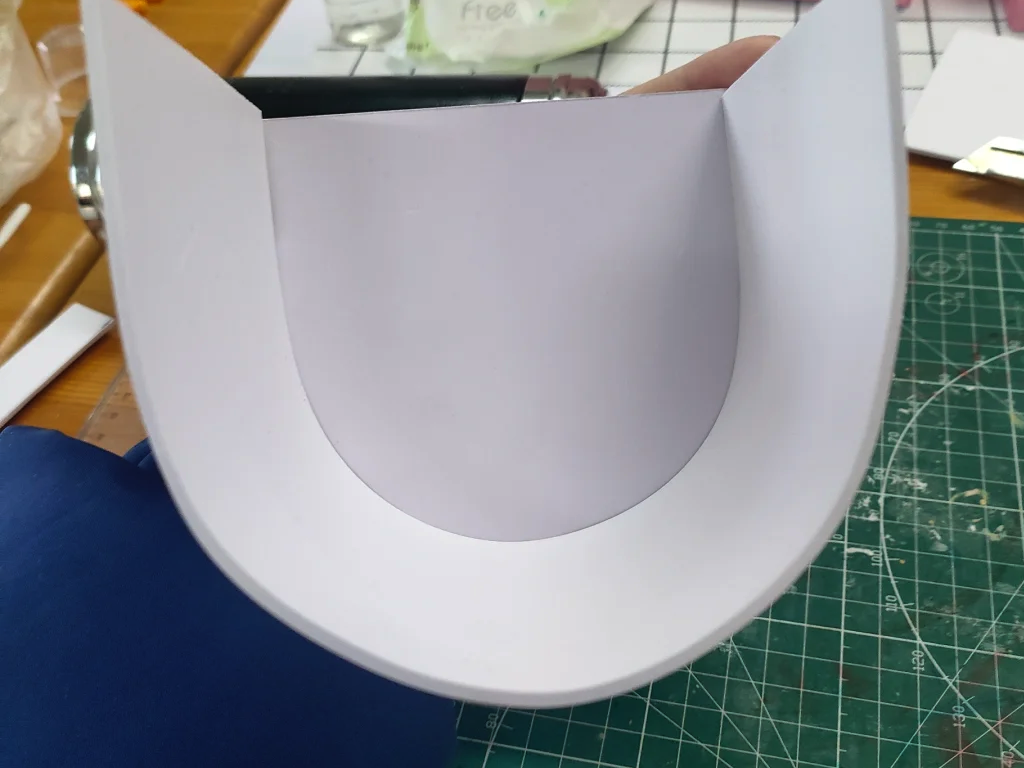
Bending
Bending PVC foam board allows for smooth curves and dimensional shapes, primarily through heat bending—softening the material at 70°C–110°C for freehand or mould-assisted forming. Cold bending is used for large-radius arcs, while V-grooving (kerfing) enables precise angled folds. This process leverages the material's thermoplasticity, making it ideal for architectural cladding, exhibition displays, furniture components, and creative designs, offering both flexibility and durable, stable results.

V-grooving
V-grooving (or kerfing) is the key process for achieving precise folds and seamless assembly in PVC foam boards. By cutting V-shaped channels of a specific depth into the back of the board, it allows for easy manual bending to create sharp-edged boxes, displays, signage, and decorative forms. This method eliminates the need for visible seams and additional connectors, combining efficient fabrication with a sleek, integrated appearance.
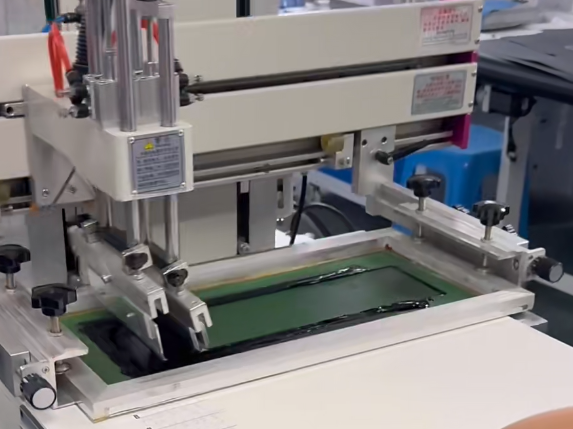
Screen Printing
Screen printing provides PVC foam boards with durable, high-precision graphics. Through screen/stencil printing, it achieves a solid, vibrant ink layer on the board surface with excellent opacity, making it especially suitable for outdoor signs, advertising displays, and brand logos. This process offers superior weather resistance, cost-effectiveness, and good adaptability to various surfaces (including textured ones).

Baking Paint
The baking paint (or paint-baking) process creates a smooth, high-gloss decorative finish for PVC foam boards. This method involves spray painting followed by high-temperature curing, resulting in a hard, durable, and uniform paint film. It effectively conceals the board's surface texture and offers excellent scratch resistance, corrosion resistance, and UV protection, making it the ideal choice for achieving a modern, premium aesthetic in applications such as architectural decoration, display systems, and furniture.